30 outstanding research projects awarded a total of SEK 900 million




Current calls
- 16 Nov
- 16 Nov
- 20 Dec
- 5 Feb



Breaking new ground in organic electronics
The advances made in Magnus Berggren’s research lab have led to paper electronics as well as electronic circuits in plants. Now he is moving on to the human body to replace damaged neurons with conductive plastics.

Tracing the genetic history of modern humans
Wallenberg Scholar Mattias Jakobsson is mapping the early evolutionary trajectories of our species, and is now rethinking the conceptual model of what distinguishes modern humans from other human groups.

Honing tools to create next generation therapeutics
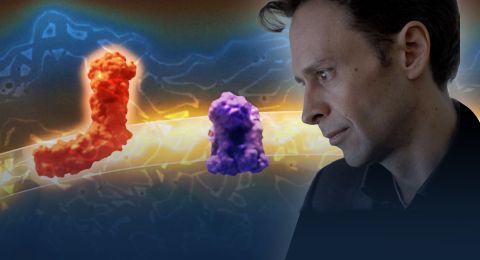
Fredrik Höök is fascinated by the biological phenomena occurring in and around the thin protective sheaths of cells. As a Wallenberg Scholar he is paving the way to improving the efficacy of next generation medicines.

Reducing energy loss from our screens
As a child, he built models with LEGO and Meccano. As a researcher, he builds molecules. Wallenberg Academy Fellow Karl Börjesson aims to create energy-efficient systems with fewer losses. This could significantly reduce the energy consumed by screens and light sources.