30 outstanding research projects awarded a total of SEK 900 million
Requisition Portal closed December 11, 2026, through January 31, 2027







Current calls

The electronics of tomorrow - decomposing naturally
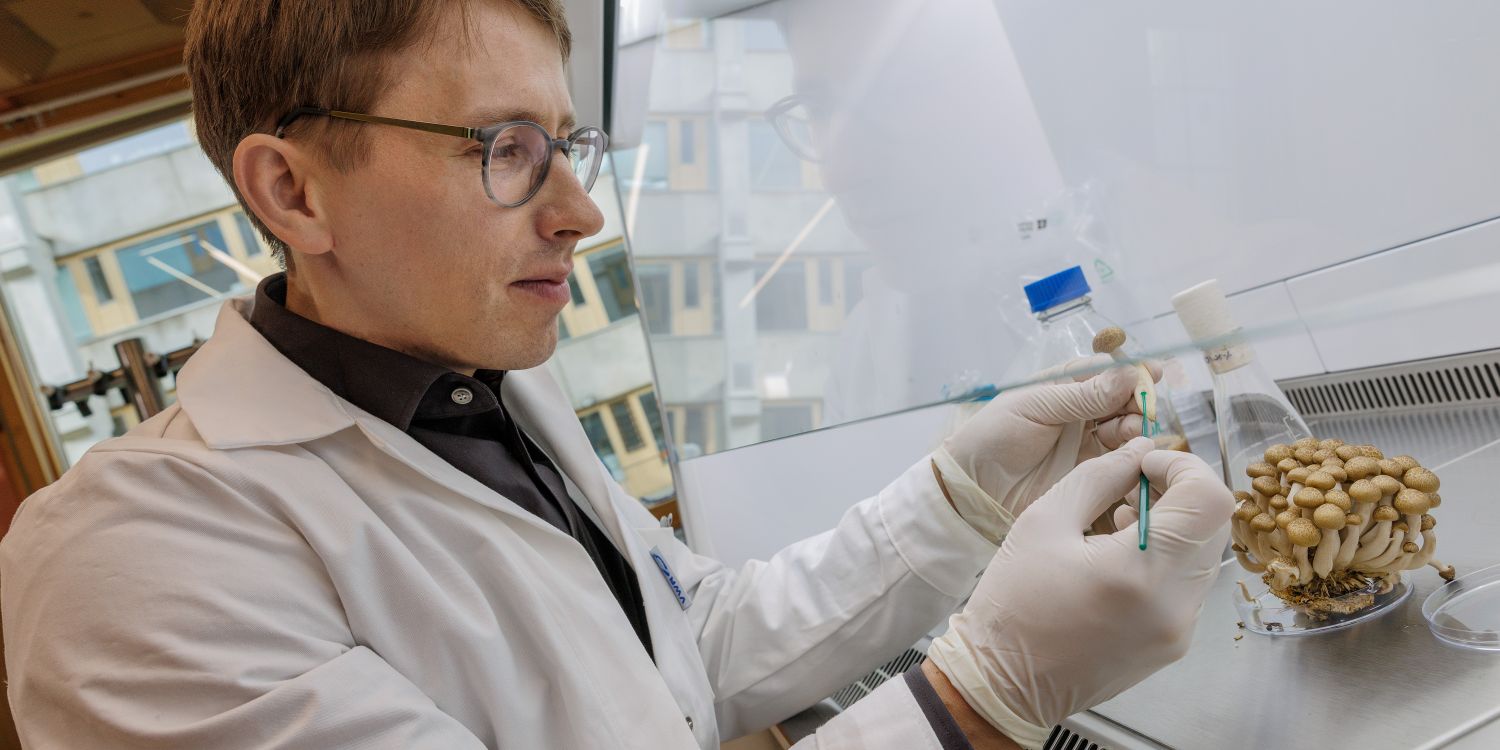
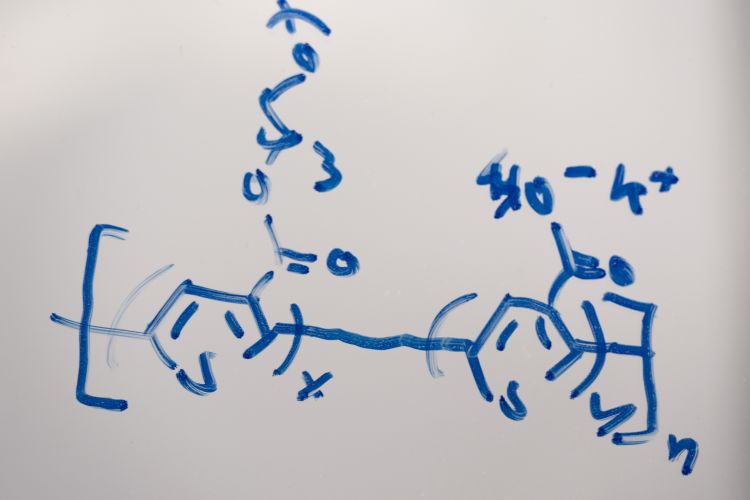
Imagine if our growing mountains of electronic waste could be drastically reduced by having end-of-life electronic products decompose in soil. Wallenberg Academy Fellow Ergang Wang is working to turn that vision into reality by developing new, biodegradable plastic semiconductors.
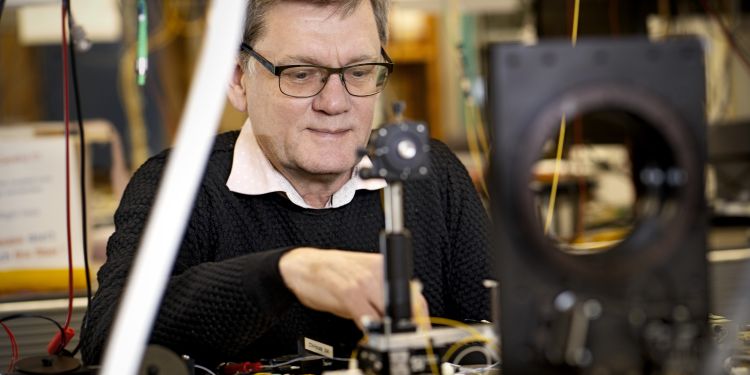
Honing the communication technology of the future
Wallenberg Scholar Peter Andrekson’s acclaimed research has resulted in a unique system: an optical amplifier and hypersensitive receiver that enable ultrafast optical communication without disruptive noise.
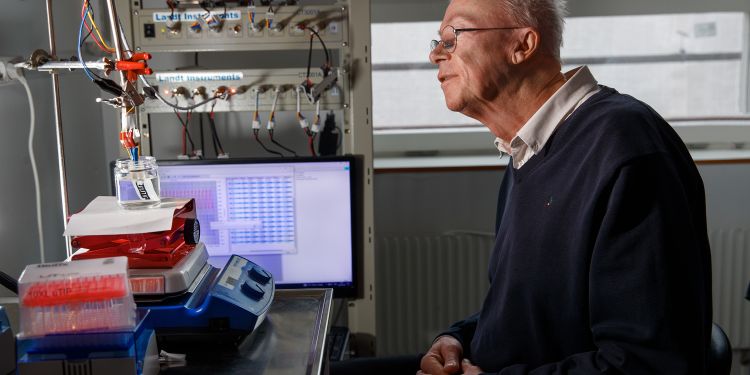
Sustainable batteries for large-scale energy storage
Wallenberg Scholar Olle Inganäs is developing materials for the batteries of the future, based on raw materials from forests and oceans and readily available metals.
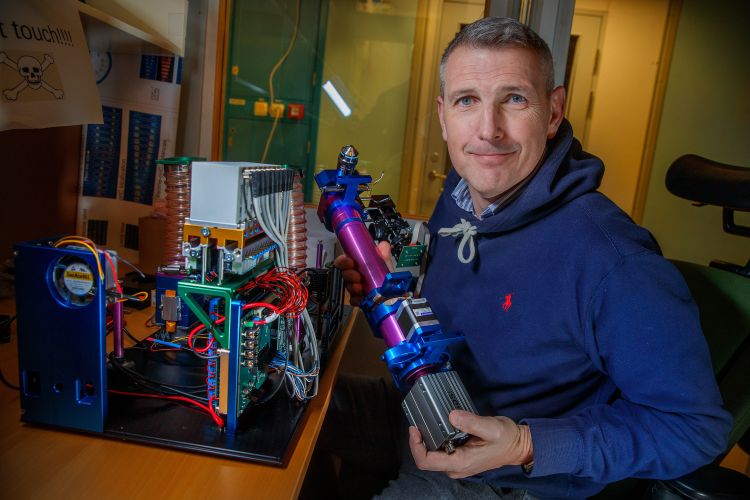
Understanding the impact of chromosomes on our genes
The DNA molecule in our cells is a full two meters long. To fit, it is therefore tightly packed into chromosomes in the cell nucleus. Johan Elf is developing new techniques to determine how this compact structure and its dynamics affects the way genes are expressed in the cell.