
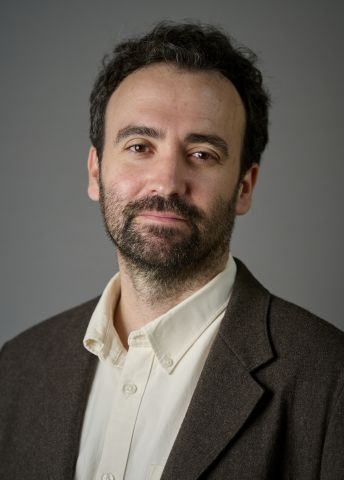
Wallenberg Academy Fellow 2025
Medicine
Dr Enric Llorens Bobadilla
Karolinska Institutet
Medicine
Dr Enric Llorens Bobadilla
Karolinska Institutet
How do African spiny mice repair their nerve cells?
African spiny mice possess an incredible ability to heal injuries in their spinal cord and brain. Using advanced molecular biology techniques, Wallenberg Academy Fellow Enric Llorens Bobadilla will discover how this occurs. The hope is to find clues to treatments that can counteract permanent nerve damage in humans.
Our body can heal broken bones and cuts to the skin, but if the spinal cord or brain neurons are injured, the body covers the damage with scar tissue. This prevents the nerve cells from regaining their previous function and makes the damage permanent.
Most mammals are unable to repair damaged nerve cells, but researchers have discovered an outstanding exception: African spiny mice. These little rodents can heal both their brains and spinal cords.
Dr Enric Llorens Bobadilla, Karolinska Institutet, will now map the genetic foundation for spiny mice’s remarkable self-healing ability. He will gain knowledge of how this healing occurs by using modern techniques that can show which genes are active in individual cells. He will also investigate what causes these genes to be activated in spiny mice, but not in other mammals.
The long-term goal is to find strategies that will trigger the same genes in humans, averting permanent disability after injury to the central nervous system.
Photo: Patrik Lundin