From cancer cells that are experts at hiding – to double agents that instead effectively reveal the disease to the immune system. Researchers in Lund and Stockholm are using genetic reprogramming to create a new type of immunotherapy.
Project grant 2024
Neoantigen discovery with cellular reprogramming
Principal investigator:
Filipe Pereira, Professor of Molecular Medicine
Co-investigators:
Lund University
Camila Consiglio
Karolinska Institutet
Hanna Eriksson
Janne Lehtiö
Institution:
Lund University
Grant:
SEK 35 million over five years
The immune system works constantly to clear away anything that can make us ill: viruses and bacteria, aged and damaged cells, or mutated cells that can become cancerous. But cancer cells have a range of strategies to evade detection. These include reducing the production of revealing molecules on the cell surface, secreting substances that suppress immune system activity, or creating physical barriers around themselves.
A project funded by Knut and Alice Wallenberg Foundation is testing a new approach. Researchers are genetically reprogramming cancer cells to transform them into immune cells. More specifically, they become dendritic cells, a type of immune cell that presents fragments of invaders and abnormal cells to other immune cells – T cells, stimulating them to eliminate all cells carrying these foreign substances.
The cancer cell is thus transformed into a cell that automatically reveals and triggers an attack on itself.
“We want to find out whether cellular reprogramming can play a role in developing a new type of immunotherapy,” says Filipe Pereira, professor of molecular medicine at Lund University, who is heading the project.
Immunotherapies are a rapidly growing group of treatments that, in various ways, strengthen or direct the immune system to fight cancer cells.
Targeted treatment
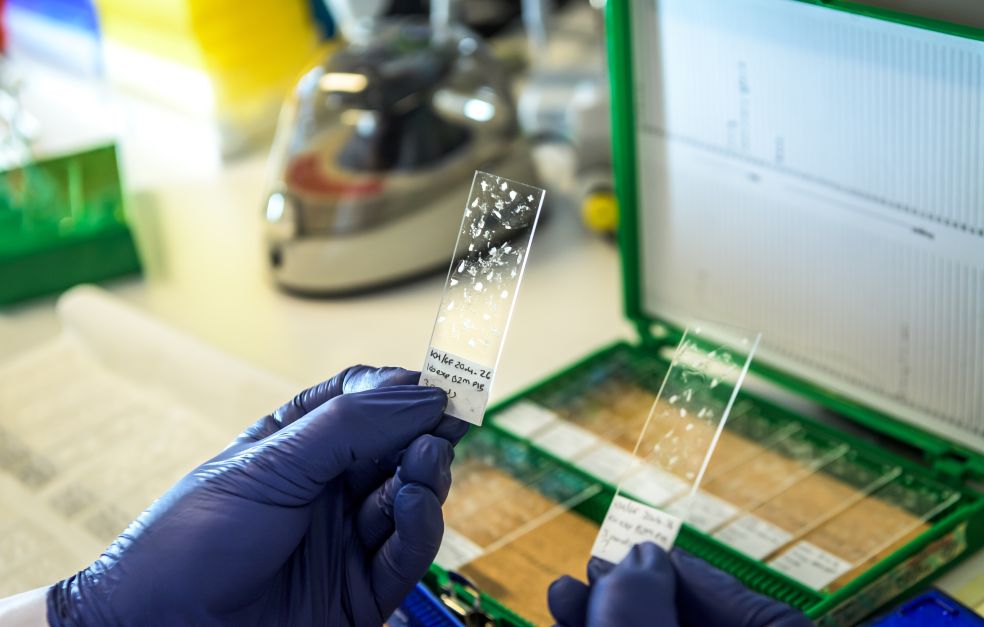
Cellular reprogramming is a field of research that has emerged from stem cell biology and developmental biology. By treating cells with various transcription factors – molecules that control gene expression – it is possible to control the type of cell a stem cell should develop into, or transform one cell type to into another. The method is already widely used in research, but Pereira considered that immune cells had received too little attention.
“I thought it should be possible to bring reprogramming into immunology, to create more targeted immunotherapies. The focus fell on dendritic cells because they represent a starting point for the immune response to cancer,” he explains.
The researchers have now shown that cancer cells can be reprogrammed into dendritic cells in just over a week by inserting three transcription factors into them.
We believe that reprogramming of tumor cells can lead to better immune therapies.
Central to this process are “neoantigens,” proteins that form only in cancer cells.
“Neoantigens are popular among researchers because treatments targeting them could be very safe. Neoantigens are not found in normal tissue, so the therapy would only target cancer cells.”
Other drug potential
Reprogramming enables the researchers not only to reshape cancer cells but also to learn more about which neoantigens have the strongest effects. Pereira explains that once they understand the “rules” for how reprogramming causes the cell to present antigens, they hope to contribute more broadly to research on how different antigens trigger the immune system. This may also play a role in the development of better cancer vaccines, antibody drugs and many protein-based medicines.
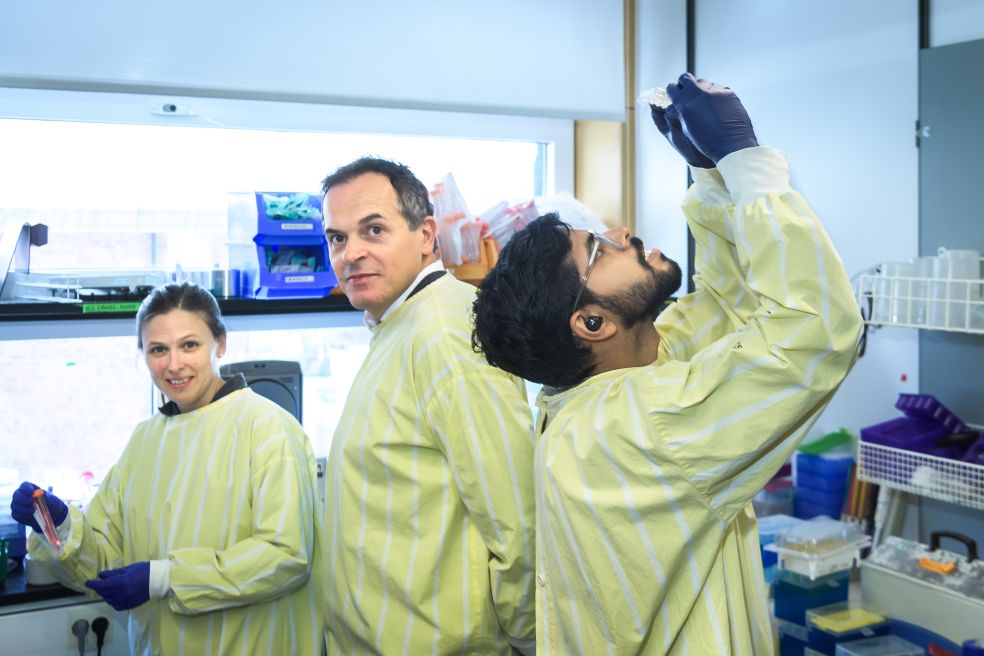
In addition to Pereira’s team, who are experts in reprogramming and cell therapy, the project includes Camila Consiglio’s group from Lund University, which focuses on systems immunology and analyzing the massive amounts of data, and two groups at Karolinska Institutet led by Janne Lehtiö, professor of medical proteomics, and Hanna Eriksson, oncologist and skin cancer researcher.
“Proteomics is crucial for understanding processes in cancer cells and the substances that are presented on the surface before and after reprogramming. Having clinical researchers in the project is very important, since samples from tumors and healthy tissue are needed to identify neoantigens and observe the effects of what we do,” explains Pereira.
Although the reprogramming of cells has been successful, several challenges remain for the project to achieve its goals. Among other things, the researchers need to develop analytical methods that are precise enough to identify neoantigens as they arise. They must also be able to scale up the reprogramming process so it can handle several million cells.
“What we are doing will increase understanding of how different types of antigens are presented to the immune system. It may show how cancer cells avoid this to withstand current therapies, and which cells can be reprogrammed to become immunogenic. If we succeed, this could lead to more effective cancer treatments in the future,” says Pereira.
Text Lisa Kirsebom
Photo Kennet Ruona